Flexible Beds: A Sleep Transformer for Sleeping Quality
Adjustable beds have come forth as a noteworthy development in sleep health. Their ability to modify rest arrangements addresses assorted issues, from persistent aching to sleep apnea. These beds foster enhanced spinal alignment and complete comfort, producing better sleep quality. As individuals hunt for solutions for common sleep troubles, understanding how adjustable beds can cater to defined health requirements becomes critical. The consequence on well-being may be significantly meaningful than one might realize.
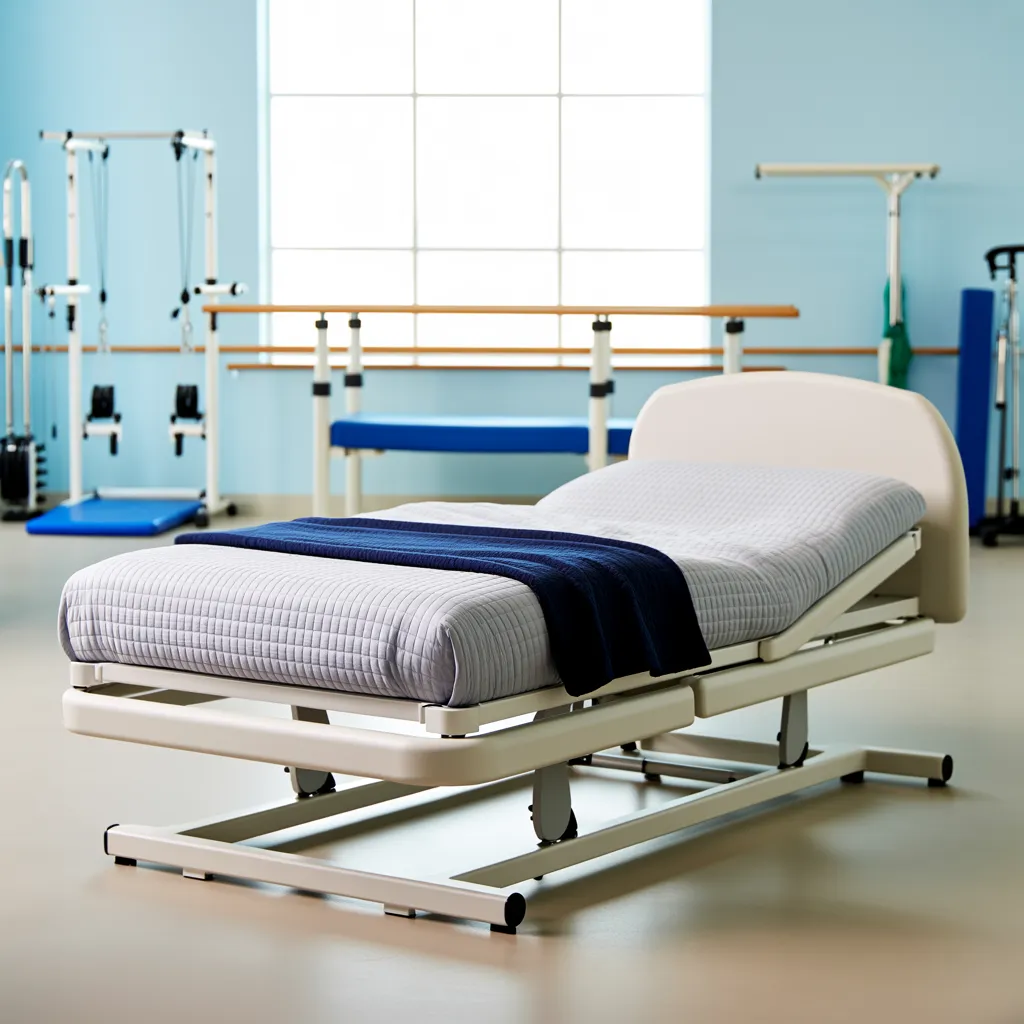
Why Adjustable Beds Are Indispensable for Quality Sleep
Although many people overlook the effect of sleep position on overall health, adjustable beds offer a practical solution for enhancing sleep quality. These innovative beds allow users to adjust their sleeping position, promoting ideal spinal alignment and decreasing pressure on sensitive areas. By elevating the head or legs, adjustable beds can enhance better blood flow and minimize discomfort, particularly for those with chronic pain or mobility issues.
Moreover, the power to adjust positions can result in improved respiratory function, as raised head positions reduce the likelihood of snoring and sleep apnea episodes. Research shows that a correct sleep position can also promote more profound, more refreshing sleep cycles. Ultimately, adjustable beds serve individual preferences and needs, making them essential for anyone trying to boost their sleep experience and overall well-being. Such customized support is a significant factor in achieving a improved quality of sleep.
Alleviating Common Sleep Issues With Adjustable Beds
How can beds that can be adjusted properly resolve common sleep issues? These beds deliver customized support that can substantially alleviate various sleep-related concerns. For people who suffer from acid reflux, lifting the head can ease discomfort and promote better digestion. Similarly, those with sleep apnea may experience relief by adjusting their position to maximize airflow, lessening snoring and improving overall breathing during sleep.
Back pain is a common problem that beds with adjustable features can help reduce. By allowing the user to elevate their legs or adjust lumbar support, these beds can relieve pressure on the spine, promoting a more pleasant sleeping position. Additionally, symptoms of restless leg syndrome may decrease as individuals can find positions that minimize pain. Overall, adjustable beds provide versatile solutions for common sleep issues, enabling users to achieve restorative rest and enhance their overall sleep health.
Why Customizable Positions Optimize Sleep Caliber
The customizable positions in modifiable mattresses can significantly enhance sleep quality by tackling different wellness concerns. Raising the bed can facilitate better breathing, while specific angles help alleviate pressure points and enhance circulation. These modifications accommodate individual tastes, promoting a more restorative sleep experience.
Higher Altitude For Enhanced Breathing
Elevating the head and torso while resting can greatly enhance breathing and overall sleep quality. The adjustment results in an clear airway, reducing snoring and lowering the risk of sleep apnea episodes. A more natural spine alignment is encouraged by elevated positions, relieving lung pressure and making deep and comfortable breathing easier to maintain at night. Also, elevating the head and torso can increase circulation, which supports more restful sleep. Users discover here often notice fewer awakenings during the night and increased alertness in the morning. In the end, adjustable beds with customizable positions offer a personalized sleep experience catering to individual breathing requirements, greatly improving sleep quality and overall health.
Relieving Pressure Points
Comfort is paramount for a restful night’s sleep, and adjustable beds provide a distinctive solution by reducing pressure points throughout the body. Traditional flat mattresses often exert uneven pressure on various areas, causing discomfort and disturbances in sleep. In contrast, adjustable beds can be adjusted to individual preferences, allowing users to raise or lower their head and feet. This customization helps spread body weight more evenly, reducing strain on sensitive areas like the shoulders, hips, and lower back. By allowing a more ergonomic position, adjustable beds can improve overall sleep quality, allowing individuals to arise feeling more refreshed and less sore. Ultimately, the ability to adjust positions contributes greatly to the comfort and restorative benefits of sleep.
Advanced Circulation Benefits
Adjustable beds not only enhance relaxation by alleviating pressure points, but they also promote enhanced circulation, which is crucial in rest quality. By enabling people to adjust their rest positions, adjustable beds can elevate the head and legs, decreasing strain on blood vessels. This lifting enables improved circulation, which is essential for delivering oxygen and nutrients to body tissues, ultimately supporting muscle repair and overall health. Improved circulation can also alleviate symptoms of conditions such as sleep apnea and restless leg syndrome, leading to a more restful night. Consequently, the ability to adjust positions can lead to deeper, uninterrupted sleep, boosting both bodily restoration and psychological wellness.
Boosting Relaxation for Chronic Pain Management
Adjustable beds offer significant benefits for people managing chronic pain. By allowing for pressure relief modifications, enhanced spinal alignment, and raising for improved circulation, these beds can establish a more cozy sleeping environment. Such features serve an essential role in reducing discomfort and encouraging restorative sleep.
Pressure Relief Adjustments
Chronic pain can severely disrupt sleep quality, making effective pressure relief adjustments essential for restorative rest. Adjustable beds offer variable angles that alleviate pressure points, reducing discomfort for individuals contending with conditions like arthritis or fibromyalgia. By positioning certain areas of the body, these beds help equalize weight distribution, which minimizes strain on sensitive joints and muscles. This strategic positioning not only strengthens overall comfort but can also lead to longer, more uninterrupted sleep periods. The ability to modify bed angles allows users to find their ideal sleeping posture, transforming their sleep environment into a haven of relief. Ultimately, these pressure relief adjustments empower those with chronic pain to achieve improved sleep wellness and improved daily functioning.
Optimized Backbone Arrangement
Achieving proper spinal alignment is fundamental to relaxation and mitigating chronic pain during sleep. Adjustable beds offer the ability for users to alter their sleeping positions, enhancing a natural spinal curve. By elevating the head or legs, these beds can help lessen pressure on sensitive areas, such as the lower back and neck. This tailored support can lead to enhanced comfort, allowing deeper sleep cycles and lowering the likelihood of waking in pain. Moreover, people with conditions such as arthritis or sciatica might see that adjustable beds assist in achieving proper alignment to minimize discomfort. Ultimately, achieving better spinal alignment with adjustable beds enhances sleep quality and contributes to overall health for those dealing with chronic pain.
Elevation for Circulation
Elevation plays a key role in boosting circulation, especially for those living with chronic pain. By elevating the upper torso or legs, adjustable beds enable enhanced blood flow, lessening pressure on sensitive areas. This elevation can help reduce swelling in the lower extremities, a usual problem for people with disorders like arthritis or peripheral neuropathy. Furthermore, it assists in minimizing discomfort and promotes relaxation, facilitating for users to fall and stay asleep. The adjustable positioning allows users find their best angle, enhancing overall comfort and well-being. Consequently, many find that adding an adjustable bed to their routine not only improves sleep quality but also supports their chronic pain management efforts.
Adjustable Beds for Convalescence and Rehabilitation Services
While many could connect adjustable beds mainly with comfort, their benefits extend considerably into the areas of recovery and rehabilitation. These beds offer adjustable configurations that can substantially help individuals healing after surgery or dealing with chronic conditions. Elevating the upper body can alleviate pressure on the lungs and enhance breathing, making it simpler for patients with respiratory issues. Similarly, elevating the legs can help reduce swelling and boost circulation, which is essential for those with mobility challenges or post-operative recovery.
Adjustable beds make changing easier in and out of bed, reducing the risk of falls. This flexibility can be particularly advantageous for people with limited mobility or those going through physical therapy. Moreover, the capacity to find a supportive sleeping position can improve overall sleep quality, which is crucial for healing. Therefore, adjustable beds serve as a practical tool in aiding recovery and enhancing rehabilitation efforts.
How Flexible Beds Can Help Reduce Snoring?
Snoring can impair sleep quality and strain relationships, pushing many to locate effective solutions. Adjustable beds provide a practical approach to curtailing snoring by allowing users to lift their head and upper body. This elevation serves to expand the airways, lessening the likelihood of airway obstruction that often leads to snoring.
By adjusting the bed's position, individuals can find the ideal angle that reduces pressure on the throat and enhances better airflow. Additionally, adjustable beds can accommodate various sleeping positions, catering to personal comfort needs that further enhance sleep quality.
For people who experience snoring due to ailments like sleep apnea, the gains can be even more notable. Raising the head can help mitigate symptoms, resulting in more restful, continuous sleep. In this fashion, adjustable beds serve as a important tool for enhancing sleep health and improving overall well-being by minimizing snoring.
Buying an Flexible Mattress? Key Considerations
When thinking about the acquisition of an adjustable bed, what considerations should be reviewed? First, prospective clients should evaluate the bed's compatibility with current mattresses, as not all mattresses work with adjustable bases. Additionally, options such as adjustable positions, massage functions, and remote control selections should be assessed for personal comfort preferences.
Next, clients should review the proportions of the bed, ensuring it fits well within the designated bedroom space. Warranty terms and durability considerations are also vital, as these beds can be an investment.
Furthermore, consumers should research brand reputation and satisfaction reviews to gauge overall gratification and dependence. Finally, cost structure plays a significant role; learning the budget and potential financing options can help achieve an calculated choice. By considering these points, persons can pick an adjustable bed that enhances their sleep health and overall quality of life.
Frequently Asked Questions
Can Adjustable Beds Be Used With Any Bed Surface?
Adjustable beds regularly manage numerous mattress types, including foam, latex, and hybrid mattresses. Still, it's required to consult respective manufacturer recommendations to ascertain compatibility and premier efficiency for each given mattress type.
Do Flexible Beds Emit Sound When Moving Positions?
Adjustable beds can emit some noise when shifting positions, mainly due to the motor and mechanical components. However, the amount of noise fluctuates by model, with many newer designs aiming for quieter operation.
How Can I Effectively Maintain and Care for an Motorized Bed?
To sanitize and upkeep an adjustable bed, regularly remove dust from the frame, clean surfaces with a moist cloth, and examine mechanical components for wear. Additionally, inspect and tighten bolts to ensure stability and functionality.
Are Guarantees Provided With Flexible Beds?
Adjustable beds typically have warranties that range by manufacturer, often including parts and labor for a set period. Purchasers should assess warranty details carefully to grasp coverage and any possible limitations or exclusions.
Is it Feasible to Use an Adjustable Bed Without a Support Frame?
Yes, an adjustable bed can be operated without a bed frame. Many users choose direct placement on the floor, maintaining stability and accessibility, although a bed frame may strengthen aesthetics and give additional support.